
Sabah and Sarawak now have two purpose-built convention centres, a growing hotel pipeline and improving air access. That is a genuine change in destination readiness — but it is not, by itself, evidence that Borneo aka Sabah or Sarawak is the right fit for a given programme. That depends on delegate origins, total programme cost, venue fit and duty-of-care controls, assessed against the programme’s actual requirements.
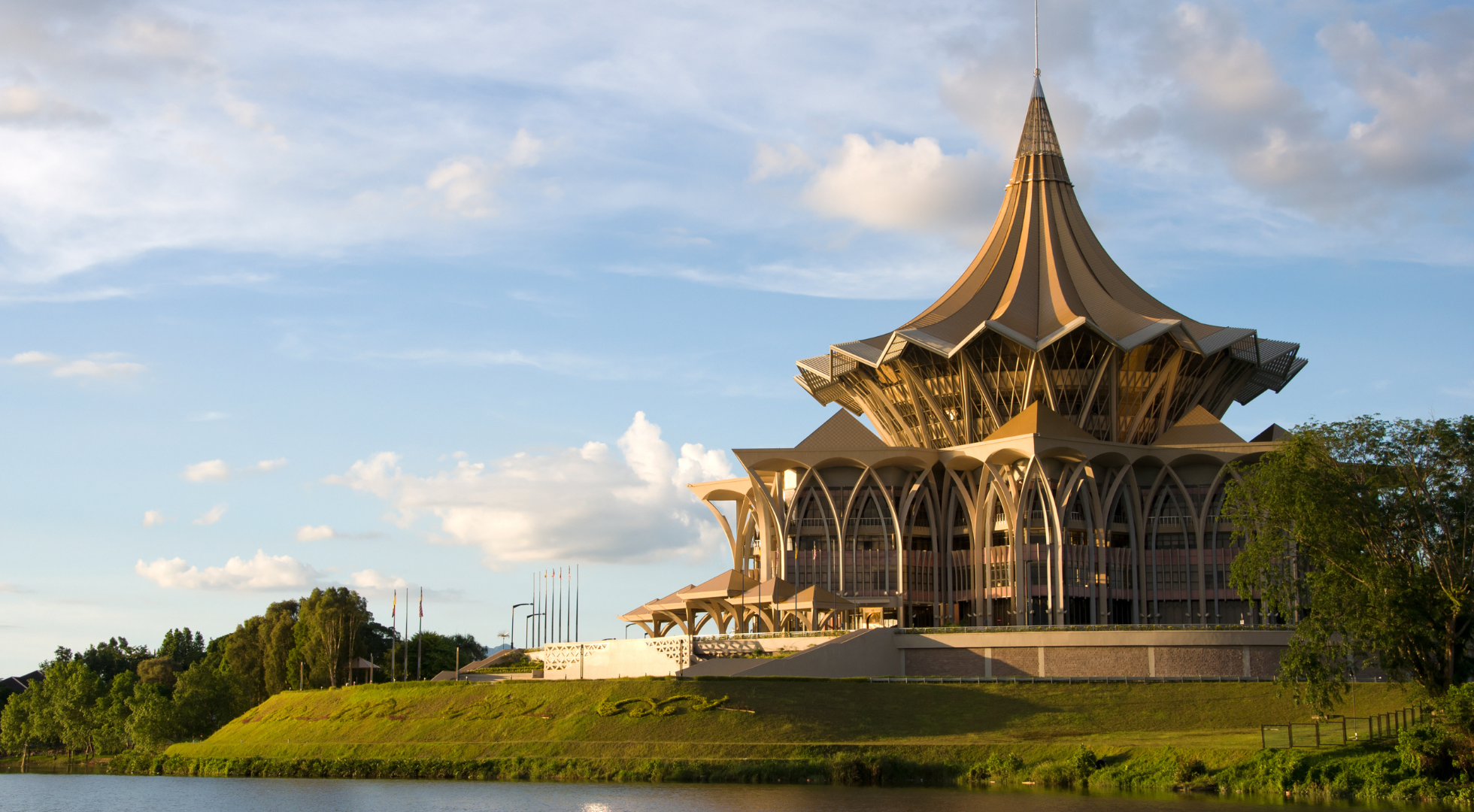 This guide sets out what has genuinely changed in Sabah and Sarawak’s MICE infrastructure, and a decision framework for when Malaysian Borneo is the stronger option — and when it isn’t.
A destination should not be approved on room rates or delegate appeal alone. Procurement should assess total programme cost and supplier accountability; HR should define the required engagement outcome; travel managers should test access, policy compliance and traveller support; and the executive sponsor should agree how the event’s business value will be measured. A strategic MICE destination should meet five tests: delegate access, total programme cost, operational control, traveller suitability and measurable event outcomes.
A note on terminology: “Borneo” the island also includes Brunei and the Indonesian provinces of Kalimantan. This article refers specifically to Malaysian Borneo — the states of Sabah and Sarawak — and uses that qualifier throughout rather than “Borneo” alone.
What Has Actually Changed in Sabah and Sarawak’s MICE Infrastructure
Sabah and Sarawak now have two purpose-built venues capable of hosting international-scale programmes, plus new hotel inventory and evolving air access. The figures below distinguish a building’s total footprint from the event space actually bookable within it — a distinction that matters when comparing venues, since total built-up area routinely runs several times larger than usable hall and exhibition space.
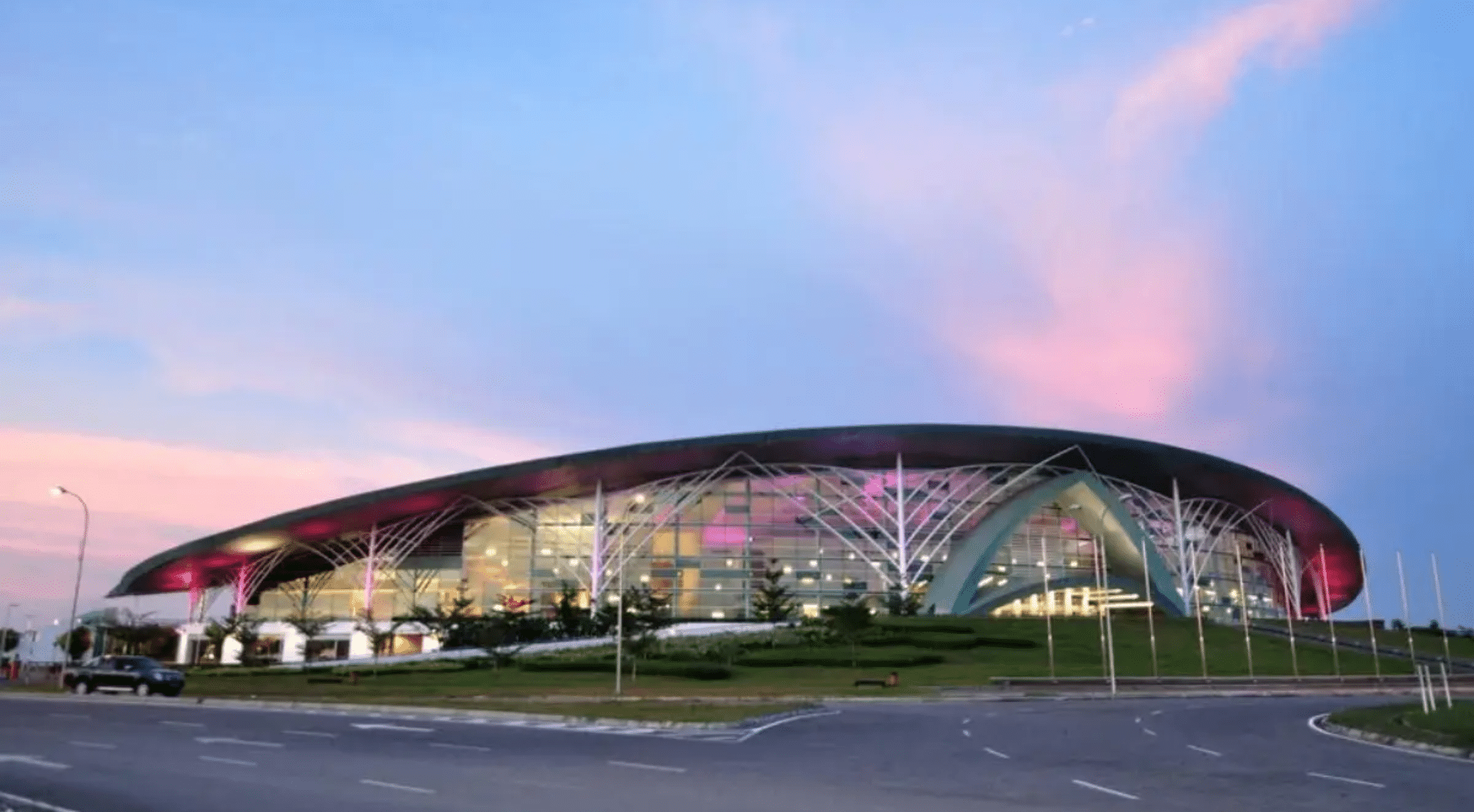
Sabah International Convention Centre (SICC), Kota Kinabalu has a gross built-up area of roughly 60,500 square metres on a 6-hectare site. Within that, the bookable event space is a combined 6,800-square-metre multipurpose hall (including pre-function areas) that divides into three sections, plus a separate 5,200-square-metre exhibition area across three halls. Each divided hall section is rated for up to around 1,500–2,000 delegates depending on configuration; the venue is roughly 20 minutes by road from Kota Kinabalu International Airport.
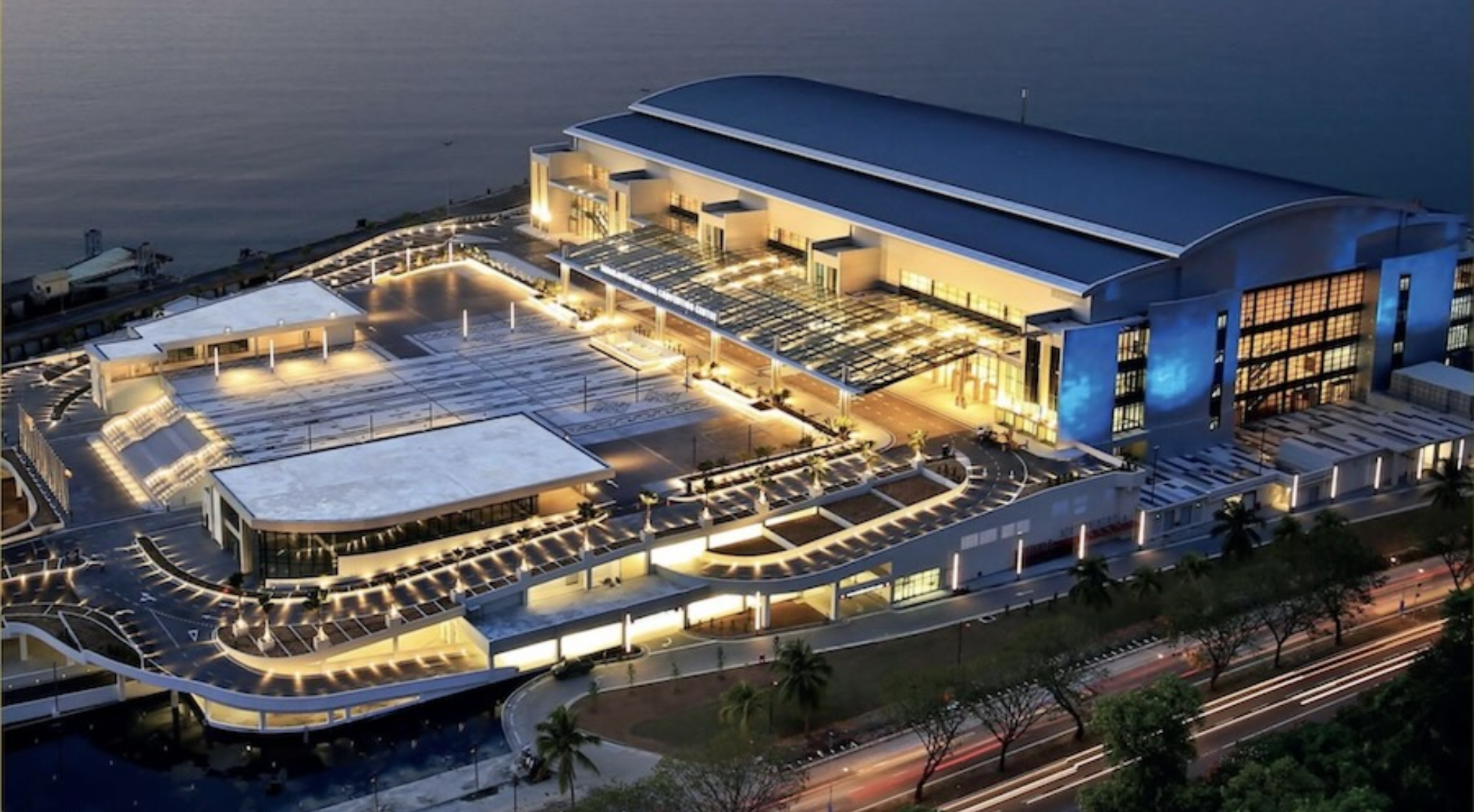
Borneo Convention Centre Kuching (BCCK) has a gross floor area of roughly 36,500 square metres and currently accommodates approximately 1,500 delegates in plenary configuration. Its BCCK2 expansion began construction in April 2025 and is scheduled for completion by March 2028. Public information on the expansion confirms the timeline but not a specific post-expansion capacity figure — planners with programmes before 2028 should treat BCCK’s capacity as fixed at current levels, and planners considering Kuching after 2028 should confirm BCCK2’s finished specifications closer to the date rather than book against a projected number.
 Hotel and event-space additions: IHG’s 321-room voco Kuching, opening in 2026, adds over 2,400 square metres of meeting space including a ballroom rated for 1,300 people — a genuine and independently confirmed addition to Kuching’s inventory.
Air access is improving but from a modest base, not a step-change. AirBorneo — the Sarawak state-owned carrier that took over MASwings’ turboprop network on 1 January 2026 — is planning a transition to jet aircraft from mid-2026, with new regional routes (Singapore has been publicly discussed) contingent on aircraft deliveries scheduled to begin in Q3 2027. As of now, AirBorneo’s confirmed network remains the existing intra-Borneo commuter routes it inherited; it is not yet operating jet services to Kuala Lumpur or Singapore. Planners should treat expanded AirBorneo connectivity as a 2027-and-beyond consideration, not a current-year access advantage, and confirm live schedules before assuming a route exists.
Together, this is real progress on venue readiness and hotel supply. It does not yet extend to a comparable step-change in international flight frequency, which is the factor that most often determines total programme cost for delegates travelling from outside Malaysia.
When Is Malaysian Borneo the Stronger Choice?
Use this as a screening test before a Sabah or Sarawak proposal goes to procurement, not after.
Malaysian Borneo is likely a strong fit when:
- The programme is roughly 200–1,500 delegates and the business session is genuinely paired with an incentive, leadership offsite or engagement component — not a large plenary conference where venue scale is the primary requirement.
- A majority of delegates are already based in Malaysia, or in origin cities with reasonable direct or one-stop access to Kota Kinabalu or Kuching.
- The organisation’s ESG or engagement objectives call for a documented community or conservation component that a nature-based destination can support (see below on evidencing this properly).
- The total-programme-cost comparison — including flights, ground transport, production, excursions and risk management — holds up once route frequency and any resulting overnight or contingency costs are priced in, not just venue and room rates.
A larger, more established hub is likely the stronger choice when:
- The event is primarily a large plenary conference, trade show or AGM where venue capacity or exhibition space exceeds what SICC or BCCK can currently accommodate in one configuration.
- A significant share of delegates are travelling from outside Malaysia and route frequency into Kota Kinabalu or Kuching would add material rebooking, overnight or contingency cost.
- The programme has a tight, single-day-heavy schedule where transfer time to and from the airport, and between venue and hotel, needs to be minimised.
- Duty-of-care requirements call for denser emergency medical infrastructure and more redundancy in ground transport and accommodation supply than Kota Kinabalu or Kuching currently offer.
Programmes with a mixed engagement-plus-plenary requirement are often better served by a hybrid model: business sessions in a larger hub, incentive component in Sabah or Sarawak. This avoids forcing a single destination to do both jobs and lets each leg be costed and risk-assessed separately.
What Should Travel Managers Consider?
Cost control, policy compliance and reporting accuracy determine whether a destination gets internal sign-off. A few considerations specific to Sabah and Sarawak:
Consolidated programme management can reduce off-contract spending and fragmented invoicing. The benefit comes from placing approved flights, accommodation, transport and activities under defined booking and reporting controls — not simply from holding them in one destination.
Delegate access should be assessed by origin, flight frequency, elapsed journey time and recovery options after disruption, not simply by whether a direct route exists. Low-frequency services may increase overnight, rebooking or contingency costs even when the scheduled flight is direct.
MICE reporting should consolidate approved budget, committed spend, final spend, supplier category, cost per delegate and variances against budget. A single reconciliation view gives finance and procurement greater control than a collection of unrelated supplier invoices.
As new capacity comes online — BCCK2 by 2028, voco Kuching in 2026, and AirBorneo’s planned jet expansion from 2027 — companies still need to bring MICE bookings under the same governance as everyday corporate travel: common standards for approved suppliers, traveller data, risk escalation and spend reporting. Expansion into Sabah and Sarawak should not come at the cost of visibility or control, and destination proposals should be dated against when the underlying capacity is actually confirmed to exist, not when it is planned.
How Does Duty of Care Apply to MICE Events in Sabah and Sarawak?
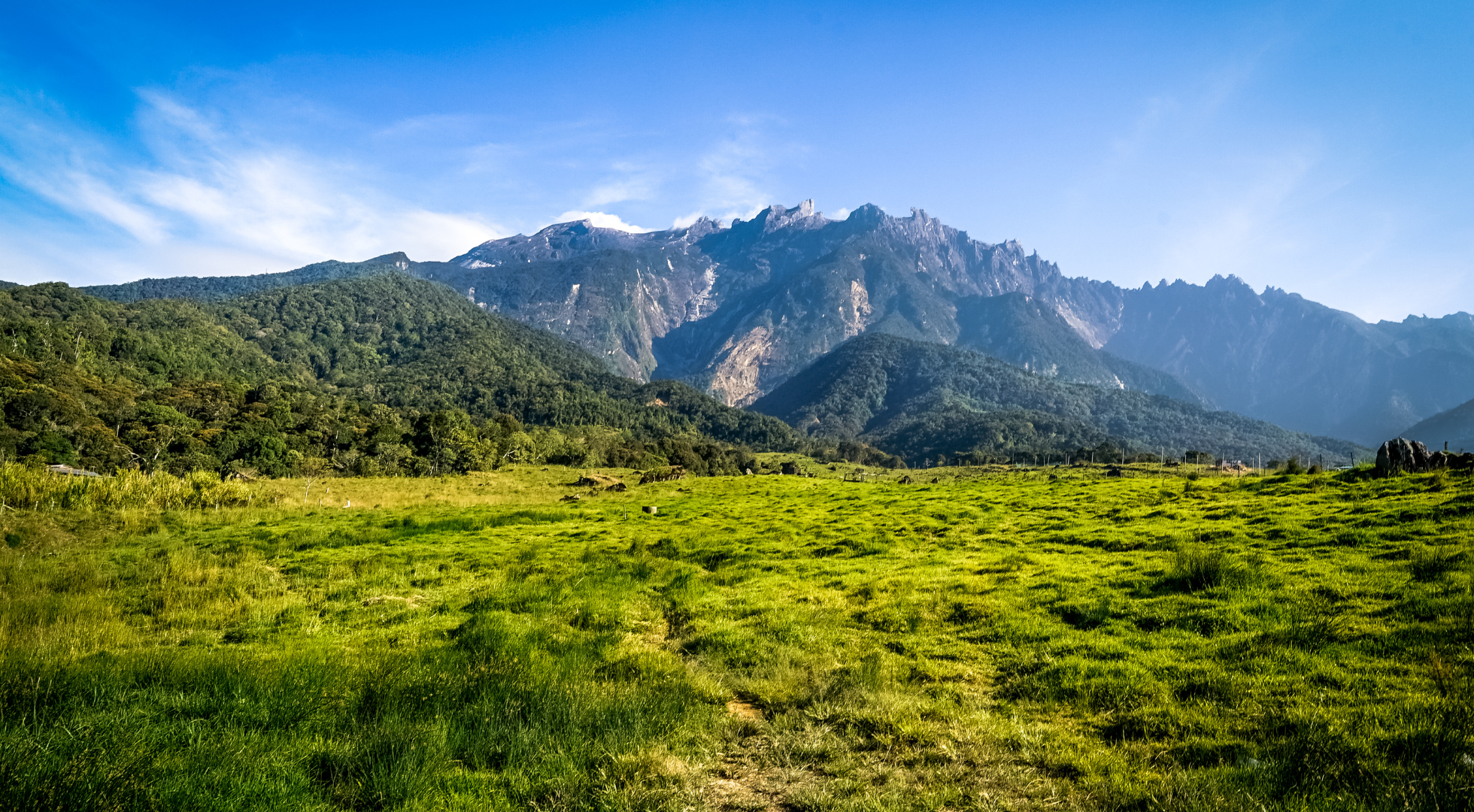 Duty of care for a MICE programme extends beyond flights and hotel safety. It includes delegate movements between venues, excursion providers, and emergency contact protocols for activities that take place outside a conventional hotel or conference centre, such as nature-based team experiences. Organisations sending delegates to Sabah or Sarawak should confirm that:
- Ground transport and excursion operators are vetted and insured.
- A designated coordinator maintains current transport manifests, attendance records and emergency contact details for each stage of a multi-site itinerary, subject to applicable privacy and consent requirements.
- Emergency and medical support arrangements are documented before departure, not arranged ad hoc on the ground.
- Off-site activities may require additional controls, including operator insurance verification, participant suitability checks, weather contingencies, communications coverage, emergency transport and a documented response plan.
Can Sabah or Sarawak MICE Programmes Support ESG and Sustainability Reporting?
Sustainability reporting is increasingly a line item that HR and ESG teams ask travel partners to help populate, not just an aspiration. A community or conservation activity should not be reported as ESG impact solely because delegates participated in it. Organisations should document the supplier, financial contribution, beneficiary, activity output and measurement period, while distinguishing verified outcomes from participation or promotional claims. Before using a sustainability claim, organisations should request the supplier’s methodology, scope, supporting evidence, beneficiary information and measurement period. Claims that cannot be independently documented should not be included as verified ESG outcomes.
How Does Holiday Tours Support Corporate MICE Programmes in Sabah and Sarawak?
Holiday Tours & Travel has operated in Malaysia’s corporate travel market since 1975 and manages more than RM500 million in annual corporate travel spend, with a client retention rate of 92 percent. Since 2025, Holiday Tours has partnered with BCD, whose network supports clients in more than 170 countries. For Malaysian clients, the partnership combines Holiday Tours’ local programme management with agreed international account-management, reporting and traveller-support practices.
For MICE programmes specifically, Holiday Tours provides:
- Destination and venue evaluation based on delegate origins, total programme budget, room inventory, event format, production requirements, transfer times, risk exposure and intended business outcomes.
- Incentive programme design using Sabah and Sarawak’s cultural and natural assets, with supplier documentation collected where the organisation intends to assess or report a sustainability-related outcome.
- Supplier sourcing and coordination across Sabah and Sarawak, including verification of operational capability, insurance, service scope, escalation contacts and invoicing requirements.
Frequently Asked Questions
- Is Sabah or Sarawak suitable for large corporate conferences? For programmes up to roughly 1,500 delegates in a single hall configuration, SICC in Kota Kinabalu and BCCK in Kuching can host a credible convention programme. For larger plenary or exhibition-heavy events, capacity is more limited until BCCK2 completes in 2028, so planners should confirm current venue capacity against the full event format before booking.
- How do organisations manage duty of care for MICE events outside city centres? Organisations should verify operator licensing and insurance, maintain current passenger manifests and emergency contacts, assess activity-specific risks, establish communications and medical-response arrangements, and document escalation responsibilities before departure.
- Does a Sabah or Sarawak programme support corporate sustainability reporting? Potentially, but participation alone is not evidence of ESG impact. Reporting should identify the supplier, contribution, beneficiary, output, measurement period and evidence supporting each claim.
- Is a Sabah or Sarawak programme cost-competitive? Not automatically. Venue and land costs can be competitive, but flight frequency into Kota Kinabalu and Kuching can raise per-delegate travel cost and add contingency risk for delegates travelling from outside Malaysia. This only holds up as a genuine saving when run as a total-programme-cost exercise, not a room-rate or airfare comparison in isolation.
What does Holiday Tours bring to a Sabah or Sarawak MICE programme?
Holiday Tours can evaluate destination suitability against the programme’s actual requirements, coordinate approved suppliers and delegate logistics, establish escalation responsibilities, and consolidate programme spend for post-event reconciliation. Its partnership with BCD Travel supports programmes requiring coordination with regional or global travel stakeholders.
Assess whether Sabah or Sarawak is commercially and operationally suitable for your next MICE programme.
Contact Holiday Tours at +603 2303 9100 (press 3) or [email protected] to compare venue fit, delegate access, programme costs, logistics, risk controls and reporting requirements.
You may also be interested in: