
In 2026, we believe business travel will become more strategic, more purpose-driven, and far more closely aligned with an organisation’s objectives. The travel landscape is no longer defined purely by volume. Instead, companies are increasingly evaluating each journey by its value, outcomes, sustainability, and the experience it delivers.

At Holiday Tours, we recognise that the way businesses plan, manage, and support travel must transform alongside this shift. Understanding key trends will be essential for leaders who want to optimise their budgets, stay agile, and safeguard traveller wellbeing and productivity.
This outlook outlines the developments that will shape corporate travel in 2026 and what companies can do to stay ahead.
KEY BUSINESS TRAVEL TRENDS IN 2026
1. Organisations are managing travel budgets with more strategy and intention
Leaders are no longer simply asking how much is being spent on travel. They are asking whether each trip achieves a meaningful business outcome. This shift is changing how travel policies are written, approved, and reviewed.
Companies are refining their policies to provide clarity around:
- When travel is justified
- Which travel classes and hotel tiers are appropriate
- How approvals should be structured
- How to ensure value for each trip
Travel data analytics is now a core tool in travel management. With visibility over spend by department, route, and traveller, organisations can:
- Negotiate more effectively with suppliers
- Identify patterns that need to be adjusted
- Track compliance while maintaining flexibility
At Holiday Tours, we support organisations in shifting from restriction-based to purpose-based travel planning.
2. Travel is becoming more purposeful and human-centred
One of the most noticeable shifts is the move towards purpose-led travel. Employees and decision-makers want travel that is meaningful, whether the purpose is strengthening a partnership, aligning regional teams, or sparking creativity that is difficult to achieve virtually.
 Bleisure travel continues to grow in popularity. Industry research shows that more than half of business travellers took multiple blended business and leisure trips in recent years. This trend highlights that employees value the experience of travel in addition to the logistics.
When organisations acknowledge these preferences, they see benefits such as:
- Higher job satisfaction
- A stronger sense of trust and autonomy
- Better engagement during travel
- Reduced burnout
Travel becomes an investment in people rather than solely a line item in the budget.
3. SUSTAINABILITY IS NOW PART OF THE PROGRAMME, NOT AN OPTIONAL EXTRA
Sustainability has become an expectation in corporate travel planning. Stakeholders are paying closer attention to how companies manage their environmental impact. Many travel programmes are increasingly prioritising:
- Hotels and airlines with verified environmental practices
- Multipurpose trips that reduce overall travel frequency
- Carbon emissions tracking supported by analytics tools
- Suppliers that align with ESG values
Research from the hospitality sector shows that sustainable travel policies strengthen brand trust and stakeholder confidence. Importantly, sustainability does not mean travelling less. It means travelling more thoughtfully.
4. Technology is enhancing efficiency, safety, and traveller support
Digital platforms are becoming central to the organisation and experience of business travel. AI-enabled tools now help with:
- Intelligent itinerary recommendations
- Real-time disruption alerts
- Automated expense processing
- Built-in policy guidance at the time of booking
Airports and hotels are increasingly adopting:
- Biometric verification
- Touchless check-in
- Automated security and border systems
Traveller wellbeing technology is also gaining attention. Examples include tools that assess fatigue risk or recommend optimal departure times for rest and recovery. Technology is not replacing human decision making. At Holiday Tours, we see it as an important support system that strengthens the traveller journey from start to finish.
5. Asia Pacific, including Malaysia, remains a growth region
The Asia Pacific region continues to be a key driver of business travel, supported by supply chain expansion, growing corporate networks, and increased cross-border project collaboration.
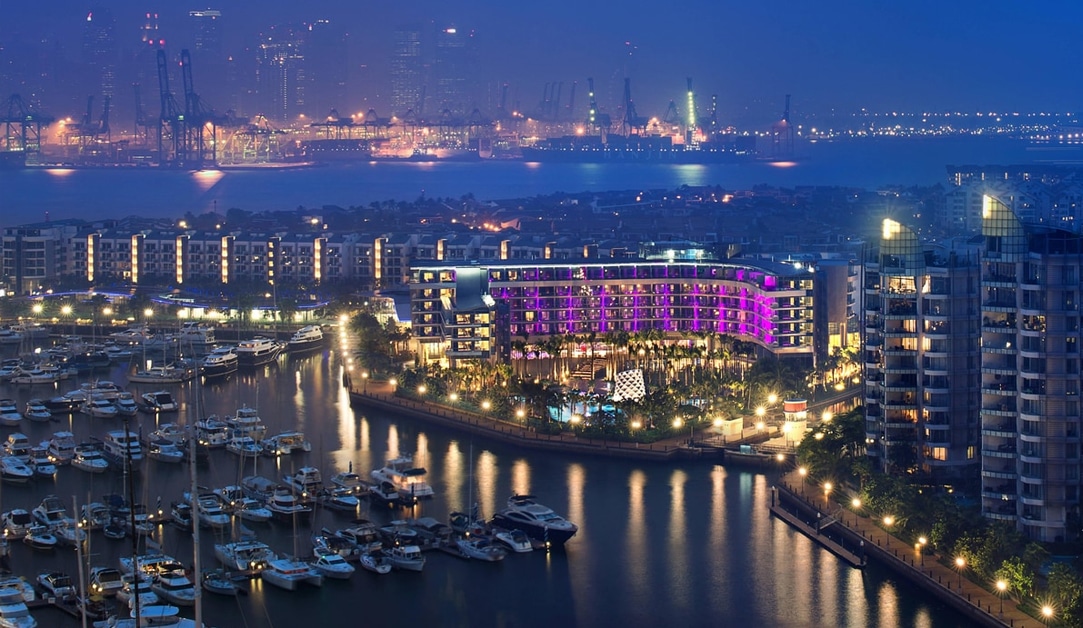
According to the The Global Business Travel Association (GBTA) forecast, hotel rates in Asia Pacific are projected to rise by around 2.8 percent in 2026. This reflects strong business travel demand in the region. For Malaysian organisations, we observe growing emphasis on:
- Regional mobility
- Flexible travel programme structures
- Supplier partnerships with local expertise
Local travel management expertise is increasingly valuable. Understanding regional nuances such as visa policies, route availability, and airport capacity can significantly influence trip efficiency, cost, and traveller experience.
6. TRAVELLERS WELLBEING IS BEING RECOGNISED AS A BUSINESS PERFORMANCE FACTOR
Business travel influences productivity, morale, and long-term performance. Studies consistently show that more than 80 percent of employees believe travel is important for career advancement and relationship building.
Without thoughtful planning, travel can also lead to:
- Fatigue
- Stress
- Travel friction
Companies are now addressing these issues by:
- Allowing realistic time buffers between trips
- Prioritising accommodation that supports comfort and rest
- Providing access to support channels throughout the journey
- Encouraging healthy pacing instead of overloaded schedules
Wellbeing is no longer viewed as an optional benefit. It is a performance multiplier. Supported travellers tend to perform better, think more clearly, and collaborate more effectively.
Elevate your 2026 business travel plans with Holiday Tours
In an era where business travel must deliver efficiency, value, experience, and purpose, Holiday Tours stands out as a strategic partner for companies that want to unlock the full potential of corporate travel.
1. Corporate travel programmes tailored to your needs
Every organisation travels differently. We take the time to understand your operations, your teams, and the outcomes you want to achieve. We work closely with you to develop travel policies, approval flows, and supplier strategies that reflect your business values. This ensures clarity, consistency, and confidence in the way travel is managed.
2. Preferential rates through trusted global partnerships
We provide access to negotiated and preferred rates through our network of trusted partners. Whether your organisation manages frequent domestic trips or complex multi-country itineraries, we help you efficiently utilise your travel budget to meet business goals.
3. Reporting and data driven insights

Visibility is essential to effective travel management. Our reports provide an accessible view of your travel spend, patterns, supplier usage, and policy compliance. With stronger data, your team can make smarter decisions related to negotiation, cost control, and sustainability.
4. Traveller support wherever they are
Travel can be unpredictable, but your travellers should never feel unsupported. Our team provides assistance before, during, and after every journey, including visa coordination, local transport arrangements, and after-hours emergency support. Whether your travellers are moving across Malaysia or across the world, we ensure they are cared for at every stage.
5. A focus on sustainability and wellbeing
Travel programmes today must support organisational ESG goals and the wellbeing of travelling employees. We integrate sustainable travel options, recommend suppliers with verified environmental practices, and design itineraries that encourage balance and recovery.
READY TO ELEVATE YOUR 2026 CORPORATE TRAVEL STRATEGY?
REACH OUT TO OUR CORPORATE TRAVEL SPECIALISTS AT +603 2303 9100 (PRESS 3) OR [email protected]
You may also be interested in: