
The next generation of business travellers has arrived. The professionals now filling business class cabins and attending regional conferences are increasingly in their twenties and thirties. Generation Z and Millennials are not just entering the workforce; they are becoming its dominant voice. And they travel differently.

For corporate travel managers and Human Resource leaders, this is creating a clear operational tension: travel policies designed for a previous generation are increasingly out of step with the expectations of the people they are meant to serve. The result is friction in booking behaviour, policy compliance, traveller satisfaction, and ultimately talent retention.
At Holiday Tours, we see this shift play out directly across the corporate travel programmes we manage in Malaysia and the region. In practice, it requires a rethink of how travel policies are designed, how hotel programmes are structured, and how organisations balance flexibility with governance.
The Scale of the Shift
According to Deloitte’s 2023 Global Millennial and Gen Z Survey, these two generations will account for over 70% of the global workforce by 2030. What makes them distinctive as business travellers is not just their scale, but their expectations and behaviour.
Unlike previous generations who often viewed business travel as an obligation, younger professionals regard it as one of the more valued aspects of professional life, an opportunity for growth, networking and experience. Research by Hotels.com found that significant majorities of both Gen Z and Millennial travellers view work trips as a chance to upgrade their experience more so than older colleagues.
This shift in mindset has direct operational implications. Younger travellers are more engaged with the details of their arrangements, more likely to have strong preferences, and more likely to respond negatively to policies that feel restrictive or outdated. In markets across Southeast Asia where competition for skilled younger talent is intensifying, getting corporate travel right for this generation is increasingly a talent issue, not just a logistics one.
What the Next Generation of Business Travellers Expects
Experiences, Not Just Itineraries
Younger business travellers no longer draw a clear line between professional travel and personal experience. This has directly fuelled the rise of bleisure travel, extending business trips to incorporate leisure days. According to Expedia Group, over 60% of Millennial business travellers have taken a bleisure trip, with Gen Z adoption growing rapidly.
For travel managers, bleisure creates both opportunity and complexity. Travel becomes a genuine talent benefit, but most existing policies lack clear frameworks for managing bleisure, including cost boundaries, duty of care and approval processes.
The same experiential expectation extends to MICE. Younger professionals attending corporate events expect destination-led, experience-rich formats, not generic conference hotels in business districts. Organisations rethinking their incentive and event design for this cohort are seeing measurably stronger engagement.

Digital-First and Sustainability-Conscious Transport
Gen Z and Millennial travellers expect to plan, book and manage travel through intuitive digital platforms. They have limited tolerance for manual processes or booking systems that lag behind consumer-grade travel platforms.
They also demonstrate a clear preference for lower-carbon transport options where practical, including rail, shared mobility and public transport. For regional travel, this has real implications. The KL–Singapore corridor, one of the region’s most travelled business routes, is one where rail alternatives are increasingly viable and preferred by younger travellers. Policies that offer genuine flexibility in transport mode are more likely to earn compliance and enthusiasm from this cohort.
Accommodation That Works as Hard as They Do
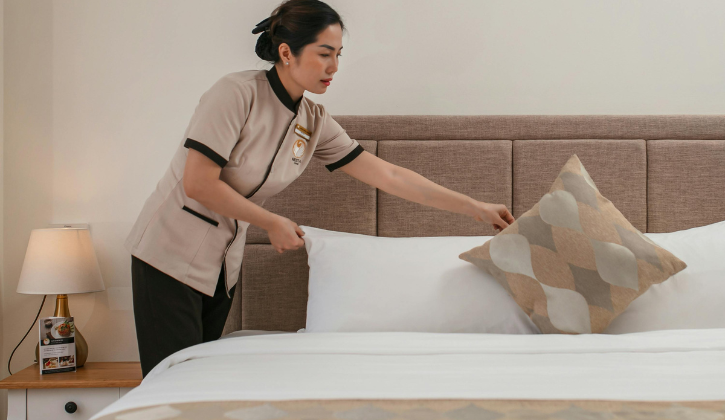
Across both generations, reliable high-speed connectivity remains the top priority in accommodation. Beyond that, they value flexible workspace, healthy food at flexible hours, and properties that feel current rather than institutional.
Where they diverge is on loyalty. Millennials participate actively in hotel loyalty programmes and factor membership into booking decisions. Gen Z tends to be more experience-driven, prioritising the character of a specific property over its chain affiliation, a meaningful consideration when designing preferred hotel programmes.
Sustainability credentials are also increasingly a factor, particularly for Gen Z. A property with genuine environmental commitments is a positive choice driver for this cohort, not an afterthought.
Work-Life Integration as the New Normal
Younger professionals expect a high degree of work-life integration, with flexibly in how and where they work while travelling. They are comfortable working from a hotel lobby between meetings and equally comfortable extending a trip to explore the city. Organisations that treat travel policy purely as a compliance document are finding that younger professionals factor it negatively into their assessment of their employer. Those that design travel as part of a broader talent proposition are turning it into a genuine differentiator.
How Holiday Tours Helps Organisations Respond
Responding to these shifts requires more than incremental policy updates. It requires a structural rethink of how travel programmes are designed and managed.
Policy modernisation: We work with HR, procurement and travel teams to redesign travel policies that reflect modern travel behaviour, incorporating bleisure frameworks, flexible booking options, sustainability considerations and digital-first experiences within a controlled governance structure.
Hotel programme design: Our sourcing approach incorporates connectivity standards, workspace quality, sustainability credentials and experiential relevance alongside rate and location, ensuring preferred programmes drive both compliance and traveller satisfaction.
Duty of care across the bleisure boundary: As bleisure becomes more prevalent, the duty of care questions it raises become more complex. By sharing market best practices and emerging trends, we help organisations better understand how to support travellers extending business trips in a way that benefits both employees and the organization.
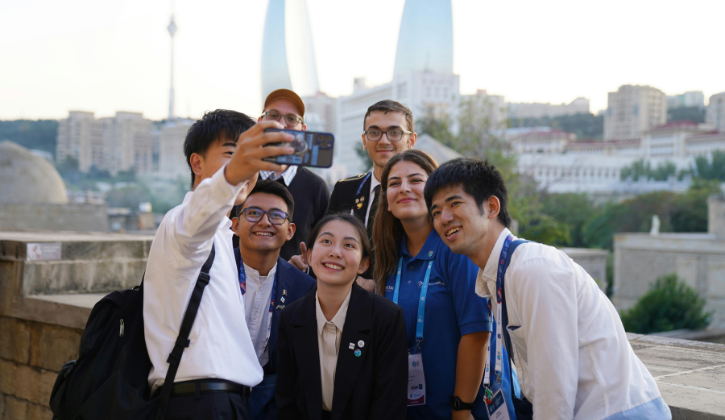
Next-generation MICE and incentive design: Younger professionals are reshaping what they expect from corporate events. Our MICE team designs programmes that are destination-led and experience-rich, aligning with the expectations of a younger professional audience while maintaining corporate objectives and budget control.
The generational shift in corporate travel is not a future trend; it is already reshaping how travel programmes need to operate today. Organisations responding most effectively are those treating their travel programme as a strategic asset in talent attraction and retention, not just a cost to be managed. If your travel programme was built for a different generation of professionals, it may no longer be aligned with your workforce expectations, or your talent strategy.
LOOKING TO EMPOWER YOUR NEW-GENERATION BUSINESS TRAVELLERS? REACH OUT TO US AT +603 2303 9100 (PRESS 3) OR [email protected]
You may also be interested in: