
Managing corporate travel budgets has always been a balancing act for travel managers and organisation alike. Organisations must control costs while ensuring trips remain productive, safe and aligned with organisational goals. As we move into 2026, this balance is becoming more complex. Hybrid work models, sustainability expectations, and regional growth trends in Asia-Pacific are reshaping corporate travel. The question is: how can organisations optimise costs without compromising quality or outcomes?

In 2026, effective travel budget management is no longer about reducing trips. It is about ensuring every journey is aligned with business objectives and delivers clear value where possible. Travel decisions today carry financial, people, and reputational implications, and benefit from a more strategic, well-structured approach.
At Holiday Tours, we work closely with organisations to bring structure, governance, and insight to their corporate travel programmes. By combining strategic planning, supplier partnerships, and data-led oversight, we help organisations strengthen control over travel spend while supporting business outcomes and positive traveller experiences. This article outlines practical, research-backed strategies to help organisations manage travel budgets more effectively in 2026, without compromising productivity or experience.
why cost optimisation is critical by travel managers
To help organisations navigate 2026 successfully, we have outlined 7 proven strategies to reduce costs while maintaining traveller satisfaction and strategic impact. Implementing these practices can help optimise spend and improve the efficiency of your corporate travel programme.
1. Establish a Clear, Enforceable Travel Policy
A comprehensive travel policy is the foundation of cost control. According to Mastercard, nearly 50% of corporate travel decision-makers cited policy updates as a key driver for simplifying choices and enhancing cost efficiency.
 Key considerations include:
- Booking channels: Direct travellers to corporate-approved platforms to maintain visibility and compliance
- Advance bookings: Encourage early flight and hotel reservations to secure better rates
- Class and tier guidelines: Define acceptable travel classes and hotel tiers per destination
- Integration of sustainability and wellbeing: Include environmentally responsible practices and employee comfort
- Communication and training: Ensure travellers understand the policy and its rationale
By partnering with Holiday Tours, organisations can create clear, enforceable policies that balance cost control with a seamless, positive traveller experience.
2. centralise bookings and leverage data
Visibility is key to managing travel expenses. Centralising bookings through a single platform or travel management partner enables organisations to monitor spend, identify inefficiencies, and support supplier negotiations (GBTA 2024 Forecast).
Implementation considerations include:
- Integrated corporate cards: Link cards to booking and expense systems to track real-time spend
- Comprehensive dashboards: Monitor spend by category, department, and location
- Trend analysis: Identify out-of-policy bookings and high-cost trends
- Supplier renegotiation: Use data insights to secure improved rates with airlines, hotels, and ground transport providers
We integrate advanced analytics, providing managers with real-time visibility and control to make data-driven decisions while keeping the travel experience smooth.
3. optimise flight and accomModation bookings
Small adjustments in booking strategy can yield meaningful savings. Research from industry highlights benefits of considering alternative airports and flexible itineraries to reduce costs.
Best practices include:
- Book flights and accommodation well in advance to secure better rates
- Encourage flexibility with travel dates or routing options, as mid-week travel is often less expensive
- Utilise negotiated corporate rates for flights, hotels, and car hire
We work with organisations to plan travel proactively, balancing cost efficiency with convenience and comfort, so employees can focus on their work rather than logistics.
4. consolidate suppliers and negotiate effectively
Managing multiple suppliers can dilute negotiating power. Consolidating spend with preferred airlines, hotels, and service providers allows organisations to secure more favourable terms.
Actionable strategies include:
- Prioritise top destinations and partner with select suppliers
- Negotiate volume-based agreements to unlock discounts
- Incorporate loyalty programmes for incremental benefits
Through our long-standing supplier relationships, we help organisations increase value and achieve cost efficiency without compromising on quality or experience.
5. utilise technology and automation
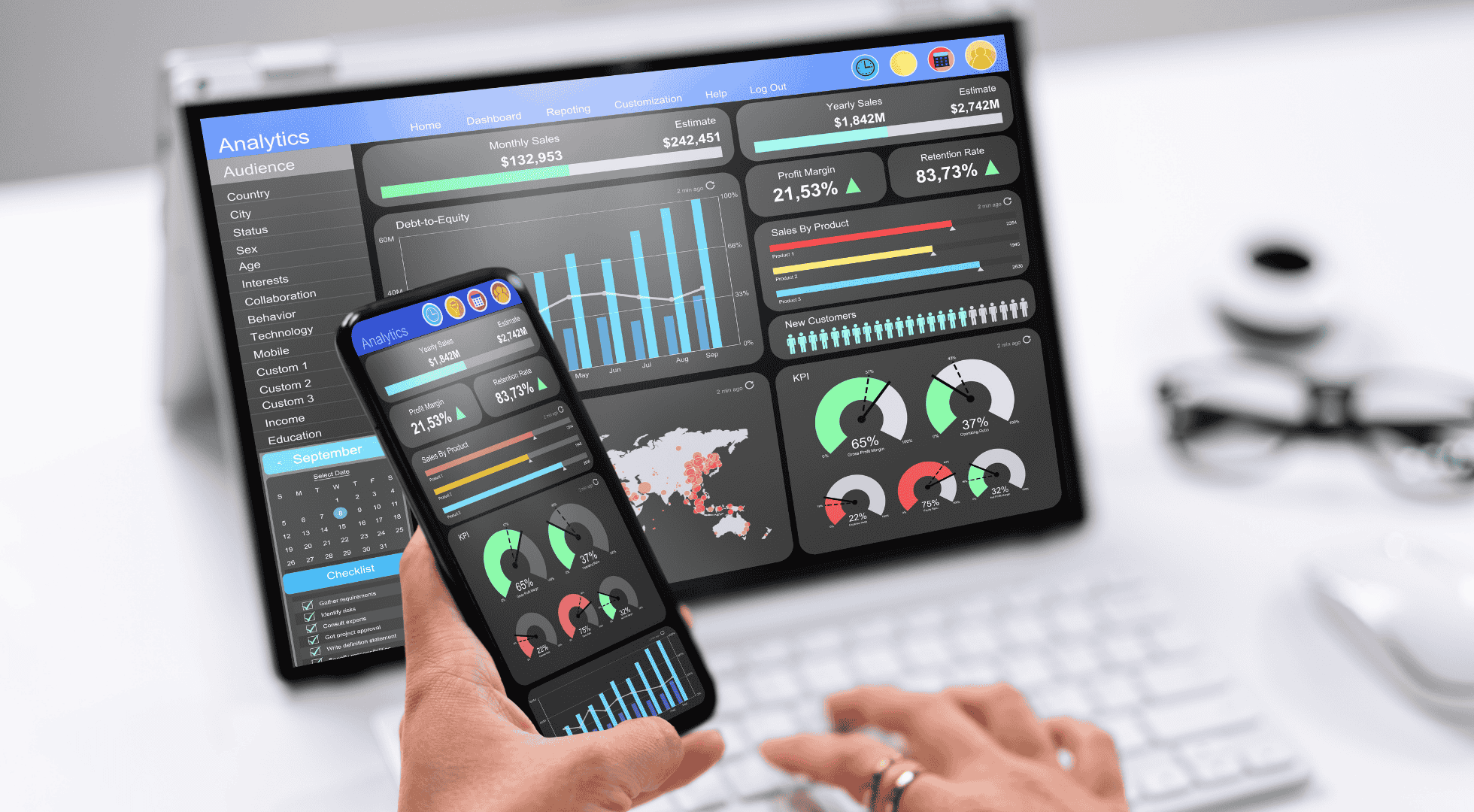 Technology can support process efficiency, improve compliance visibility, and help reduce unnecessary expenditure. Integrated platforms help organisations monitor costs more effectively.
Key tools include:
- Online Booking Tools (OBTs) to enforce policy
- Dashboards that flag out-of-policy bookings in real time
- Predictive analytics to anticipate high-cost trips and optimise itineraries
We embed these tools into travel programmes to simplify management, enhance compliance, and identify opportunities for cost improvement while keeping travel seamless for employees.
6. review, measure, and refine
Cost optimisation is an ongoing process. Travel programmes should be reviewed regularly to identify trends, inefficiencies, and areas for improvement with recommendations such as:
- Conduct quarterly reviews with finance, HR, and travel teams
- Track key metrics: average spend per trip, out-of-policy bookings, supplier concentration
- Gather traveller feedback to refine policy and enhance compliance
We provide detailed reporting and actionable insights, supporting continuous improvement and smarter decision-making that keeps travel efficient and aligned with organisational needs.
7. align travel spend with strategic goals
Effective cost management goes hand in hand with strategic alignment. Travel should support business outcomes rather than serve purely as an operational necessity.
Key actions include:
- Prioritise trips that drive high-value outcomes, such as market expansion or client engagement
- Evaluate which trips are essential versus those suitable for hybrid or virtual meetings
- Design incentive and event travel to reinforce business objectives
By connecting travel spend to strategic goals, we help organisations ensure travel spend is directed toward trips that support business value while maintaining cost efficiency and a positive traveller experience.
Underlying all seven strategies is the effective use of travel data, which enables organisations to monitor performance, identify gaps, and continuously optimise cost and impact.
Using Travel Data to Optimise Cost and Impact
 Travel data and insights enable organisations to identify policy gaps, assess strategic value, and improve overall cost efficiency.
Key indicators include:
- Travel Spend – Monitoring overall travel spend supports responsible budgeting and highlights opportunities for cost optimisation.
- Travel Routes – Analysing frequently used routes helps streamline itineraries, reduce duplication, and balance cost, time, and business necessity.
- Mileage – Tracking travel frequency and distance enables better planning and encourages more efficient travel choices.
- Carbon emissions – Understanding the environmental impact of business travel enables organisations to make more informed, lower-impact choices.
Regular review of these indicators allows organisations to refine travel policies, improve operational efficiency, and take a more responsible approach to business travel without compromising business objectives. Holiday Tours delivers clear, actionable insights across these areas, supporting organisations in progressing towards more sustainable travel practices in a practical and measured manner.
Optimise Your Corporate Travel Programme with Holiday Tours
Managing corporate travel can be challenging — balancing cost control, traveller satisfaction, sustainability, and strategic objectives all at once. With extensive experience across corporate travel and MICE, Holiday Tours helps organisations streamline every aspect of their travel programme. Partnering with us means you have a trusted partner that helps improve cost efficiency, strengthen compliance, and elevates the overall travel experience for your employees.
PLAN SMARTER, TRAVEL BETTER — CORPORATE TRAVEL SOLUTIONS TAILORED TO YOUR NEEDS.
REACH OUT TO US AT +603 2303 9100 (PRESS 3) OR [email protected]
You may also be interested in: