
The composition of the business travel workforce has fundamentally shifted, and most corporate travel programmes have not kept pace. By 2025, Millennials make up the largest segment of corporate travellers globally, with Gen Z entering the workforce at pace. Yet many corporate travel programmes were designed for a previous generation, built around compliance-first thinking, standardised itineraries, and cost as the primary metric.
 The result is rising policy non-compliance, lower traveller satisfaction, and a growing disconnect between programme design and workforce expectations. For companies competing for talent and performance, this gap has a real cost.
Understanding what the next generation of business travellers expects, and building programmes that meet them there, is no longer a nice-to-have. It is now a strategic imperative for organisations competing on talent, performance and employee engagement.
Wellbeing Is Now a Business Performance Issue
At Holiday Tours, employee wellbeing has become a core performance driver within corporate travel programmes, particularly for Gen Z and Millennial professionals who view it as a baseline expectation rather than a discretionary benefit. They expect travel arrangements that enable them to arrive rested, maintain healthy routines, and perform effectively during high-stakes engagements. That means hotels with fitness facilities and quality dining options, schedules that build in recovery time between high-stakes meetings, and itineraries that do not treat travel days as throwaway time.
The business case is clear. Research by the Global Business Travel Association (GBTA) consistently links employee wellbeing in travel to higher productivity and stronger engagement. Companies that design travel programmes with wellbeing in mind see fewer sick days post-trip, higher traveller satisfaction scores, and better meeting outcomes.
The practical implication for travel managers: wellbeing considerations should be embedded into preferred supplier selection, hotel category criteria, and trip scheduling policy, not left to the individual traveller to negotiate on the road.
Sustainability Has Moved from Preference to Procurement Criterion
Environmental responsibility has moved beyond generational preference into a core procurement and governance consideration. It is increasingly a corporate governance requirement. Gen Z professionals, in particular, actively factor the carbon footprint of travel into their engagement with their employer. According to Deloitte’s Global Gen Z and Millennial Survey, climate concern ranks among the top issues for both cohorts year after year.
The stakes now extend beyond individual sentiment into formal ESG reporting and board-level accountability. With ESG reporting requirements expanding across Southeast Asia and globally, the sustainability of a company’s travel spend is becoming a boardroom-level question. Travel managers are now being asked to demonstrate emissions tracking, low-carbon routing, and responsible supplier choices as part of broader corporate sustainability commitments.
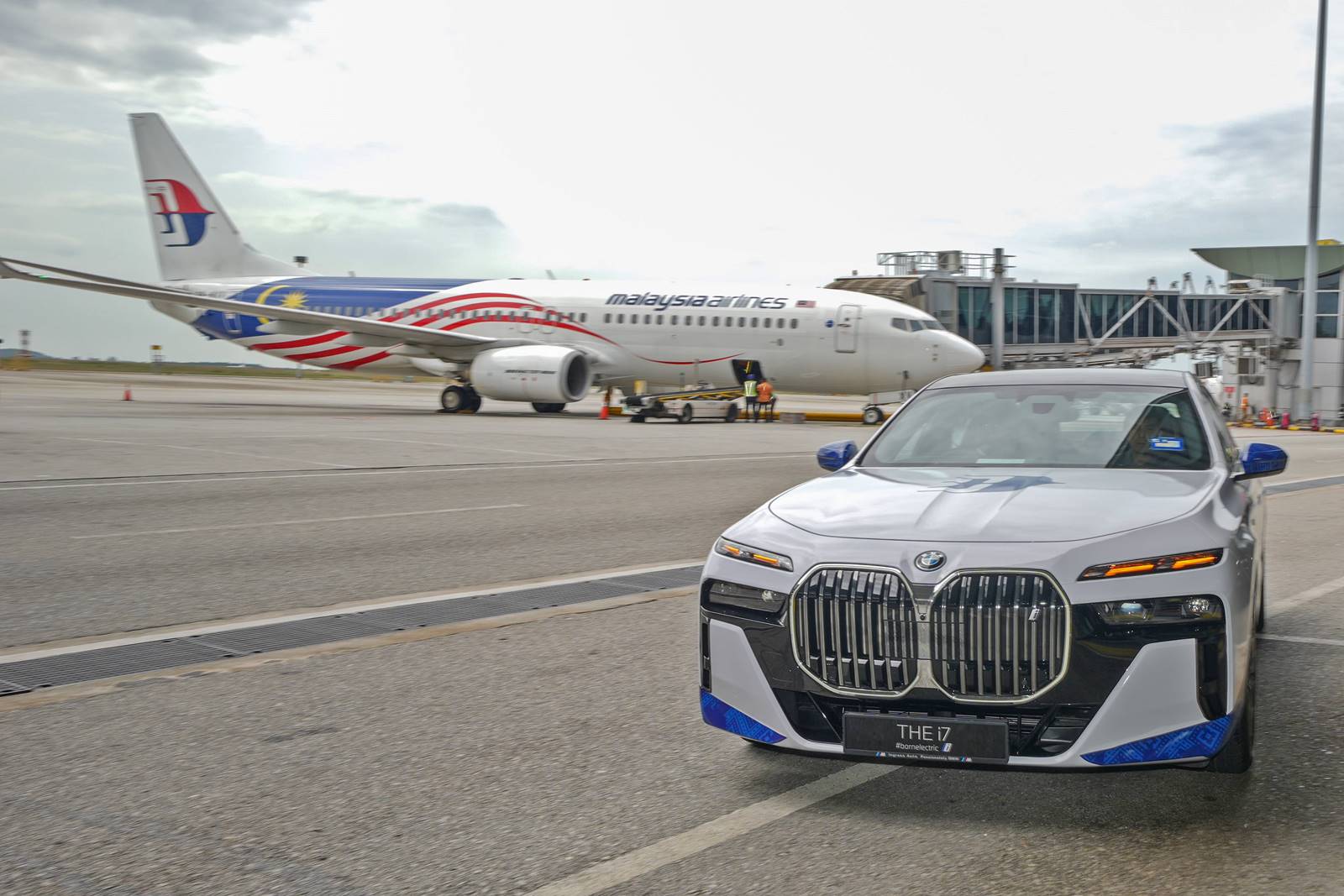
Practically, this means building policies that make greener options the path of least resistance: rail over short-haul flights where available, EV ground transfers as the default, and preferred hotel partnerships with verified sustainability credentials. The goal is not to make travel harder. It is to make sustainable choices easy.
Employee Autonomy in Booking — Without Losing Control
Gen Z and Millennial travellers are accustomed to managing their lives through intuitive digital platforms. They expect the same from corporate travel. Research from the GBTA and industry studies consistently show that younger employees prefer self-booking through capable Online Booking Tools (OBTs) or mobile-first platforms, and are more likely to comply with policy when the booking experience is seamless, not cumbersome.
This creates a core operational tension for travel managers granting the autonomy that younger employees expect, while maintaining the policy guardrails, duty of care visibility, and cost controls that companies require.
The solution is not to choose between control and flexibility, but to design systems where both are embedded. This lies in deploying booking platforms that are genuinely intuitive, personalised by traveller profile, and built with policy compliance embedded, so that the compliant option is also the easiest option. When the system works well, self-booking becomes a compliance asset, not a risk.
Digital Experience Is No Longer a Differentiator. It Is the Baseline.
Mobile check-in, real-time itinerary updates, app-based support, and seamless expense integration are not features younger travellers appreciate. They represent the minimum standard expected by today’s workforce. Corporate travel programmes that rely on manual processes, phone-based support as the primary channel, or fragmented booking and expense systems will struggle to serve this demographic effectively.
Technology investment in travel programmes should be evaluated against one question: does this reduce friction for the traveller while maintaining visibility for the programme manager? Tools that do both, such as real-time tracking, integrated duty of care alerts, and personalised travel profiles, strengthen both the employee experience and the company’s risk management capability.
Balancing Value, Experience, and Budget Discipline
Younger business travellers are not demanding luxury. They are demanding relevance. They want travel options that reflect their values: sustainable, flexible, and experience-aware. But they are also pragmatic professionals who understand budget constraints and are receptive to well-designed policies that explain the rationale behind choices.
The opportunity for organisations is to move beyond blunt cost-cutting as the primary travel lever, toward a more sophisticated model of value optimisation. That means leveraging preferred supplier agreements that deliver consistent quality and sustainability credentials at negotiated rates, designing tiered policies that give travellers meaningful choices within guardrails, and using travel data to identify where spend is driving genuine value, and where it is not.
Travel programmes that treat younger employees as partners in cost management, rather than subjects of cost control, consistently outperform on both compliance and satisfaction metrics.

How Holiday Tours Helps Companies Bridge the Gap
Holiday Tours has partnered with organisations across Malaysia and the region for decades, giving us a clear understanding of the gap between evolving workforce expectations and existing travel programme structures. We understand that knowing what the next generation of business travellers expects is one thing, but building a corporate travel programme that delivers it, within policy, on budget, and at scale, is another.
We work with organisations to design and manage corporate travel programmes that align modern workforce expectations with governance, cost disciplines and operational scalability. Our approach is grounded in three commitments:
A supplier network built for today’s traveller
We partner with hotels, ground transport providers, and airlines that meet defined standards for flexibility, wellbeing, and sustainability, giving your employees quality options that align with your corporate values.
Technology that empowers travellers and protects companies
Our booking platform give employees the self-service experience they expect, with policy compliance, real-time visibility, and duty of care built in, not bolted on.
Programme design, not just transaction management
We work with travel managers and HR leaders to shape policies that reflect your workforce’s expectations, your sustainability commitments, and your budget realities. From MICE programme management to day-to-day corporate travel, our team brings regional expertise and strategic perspective to every engagement.
If your current travel programme was designed for a workforce that no longer reflects your organisation today, it may already be limiting performance, engagement, and compliance.
LOOKING TO EMPOWER YOUR NEW-GENERATION BUSINESS TRAVELLERS? REACH OUT TO US AT +603 2303 9100 (PRESS 3) OR [email protected]
You may also be interested in: