
Business travel today is moving faster than ever and so are the systems that support global mobility. As organisations resume regional travel, streamlined operations, and strengthened compliance, one major shift is transforming cross-border movement: digital immigration processes. From e-arrival cards to fully electronic visas, the world is quietly phasing out manual, paper-based entry systems in favour of smarter, more secure digital solutions.

Drawing on our experience managing regional corporate travel, Holiday Tours understands what organisations need. This article explores why countries are adopting digital immigration processes and what business travellers need to understand about the difference between e-arrival cards and e-visas. As governments increasingly adopt digital immigration systems to support faster, more secure and compliant border processes, travellers must now navigate both e-arrival cards, which collect traveller details prior to entry, and e-visas, which function as official entry permits requiring approval.
Why immigration trends are moving towards digitalisation
These digital platforms allow travellers to submit required information in advance, enabling authorities to conduct automated checks and expedite clearance. For organisations, this translates into reduced wait times, fewer travel disruptions and improved schedule reliability for business travellers.
Key drivers behind global immigration digitalisation include:
- Operational efficiency: Digital arrival cards significantly shorten immigration processing times and reduce airport congestion.
- Better compliance: Governments gain improved accuracy and consistency in data collection, helping ensure security and policy adherence.
- Enhanced traveller experience: Pre-arrival submissions allow business travellers to move through immigration more smoothly which is critical for tight schedules and back-to-back meetings.
Across the Asia-Pacific Region, countries have already made digital arrival systems mandatory:
- Malaysia now requires foreign travellers to complete the Malaysia Digital Arrival Card (MDAC) online before arrival.
- Thailand introduced its Thailand Digital Arrival Card (TDAC) on 1 May 2025, replacing the traditional TM6 card for all international entries.
- Singapore, Taiwan and Indonesia are expanding or refining their digital arrival processes as part of a broader movement toward modern entry systems.
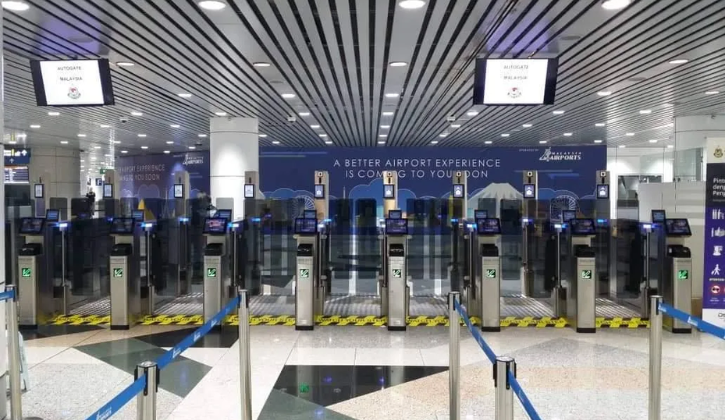 For companies managing high volumes of travel across Asia-Pacific, understanding these changes is essential.
DIGITAL IMMIGRATION: The difference between e-arrival cards and e-visas
Although both systems are digital, e-arrival cards and e-visas serve very different purposes, and confusing them can cause serious delays for business travellers.
E-arrival cards
These are digital versions of the old paper arrival/landing cards. They collect travel data prior to entry but do not function as a visa. Examples include MDAC (Malaysia) and TDAC (Thailand).
E-visas
These are official entry permits, applied for online, often requiring documentation, payment and approval. Travellers who require visas cannot replace them with an arrival card.
This distinction is especially important for multi-city and multi-country business itineraries — for example, a traveller attending meetings across Singapore, Tokyo and Bangkok may need an e-visa for one destination and an e-arrival card for another. Misidentifying the requirement could lead to denied boarding or denied entry.
How Holiday Tours supports businesses in this digital shift
For organisations managing frequent regional travel, keeping pace with constantly changing immigration requirements can be challenging. Holiday Tours ensures seamless, compliant and stress-free corporate travel by offering:
- Proactive updates on immigration changes, including e-arrival card and e-visa introductions.
- Pre-trip checks to ensure every traveller meets entry requirements before departure.
- Support for multi-country itineraries, ensuring travellers have the correct documentation for each leg.
- Corporate-focused travel management that combines real-time human support with integrated digital booking and compliance checks.
With Holiday Tours, organisations gain a corporate travel partner that reduces risk, strengthens compliance and keeps business travel running smooths and on schedule.

You may also be interested in: