
Corporate travel is evolving alongside digital innovation. One of the most significant shifts in international travel management is the adoption of digital immigration processes, particularly E-Arrival Cards and E-Visas. Understanding the differences between these two digital entry tools is crucial for businesses to ensure compliance, minimise delays, and keep employees’ journeys smooth.
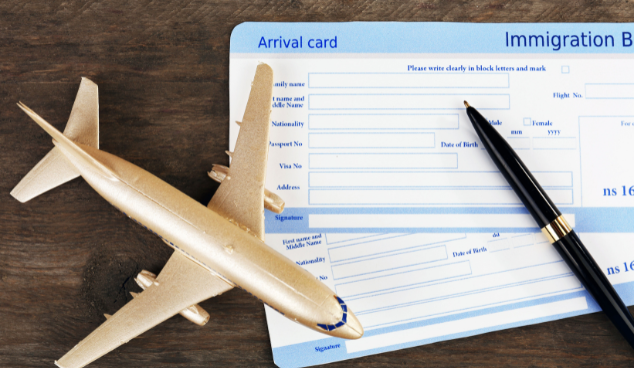 This article dives into the key distinctions between E-Arrival Cards and E-Visas, their practical implications for corporate travel, and how Holiday Tours supports organisations in navigating these requirements.
The key differences between E-arrival cards and e-visas
-
Purpose and function
E‑Arrival Cards are digital versions of traditional landing cards, designed to collect essential traveller information such as passport details, flight numbers, accommodation, and intended duration of stay. They are generally mandatory even for visa-exempt travellers and streamline airport entry.
E‑Visas, on the other hand, are official travel authorisations issued electronically, often for nationals who require a visa to enter a country. Approval usually involves an online application and fee, providing a legal permit to enter the destination.
-
Cost and processing
E‑Arrival cards are usually free, while e‑visas typically require a payment of application fees.
For corporate travel and finance teams, this distinction is important when budgeting trips or managing multi-destination itineraries. E‑arrival cards offer minimal administrative cost, whereas e‑visas may need to be planned in advance and incorporated into travel expenses.

-
Submission and approval
E‑arrival cards are submitted online before arrival and generally approved automatically, reducing queues at immigration.
E‑visas, however, involve a formal application process that may require additional documentation and approval before the traveller departs. Failure to obtain an e‑visa can result in denied boarding or entry, making proactive compliance management critical for business trips. Travellers are recommended to check the office government website for the latest travel advisories.
-
Validity and usage
- E‑Arrival Cards: Typically valid for a single entry and short-term stay; ideal for quick business trips or meetings.
- E‑Visas: Can allow single or multiple entries, sometimes with longer validity, accommodating extended corporate assignments or multi-country travel.
-
Corporate relevance
For corporate travel managers and human resources (HR) teams, understanding these differences ensure:
-
- Employees are compliant with immigration rules
- Travel itineraries account for visa validity and entry restrictions
- HR and travel teams can track documentation efficiently
- Delays or disruptions due to missing paperwork are minimised
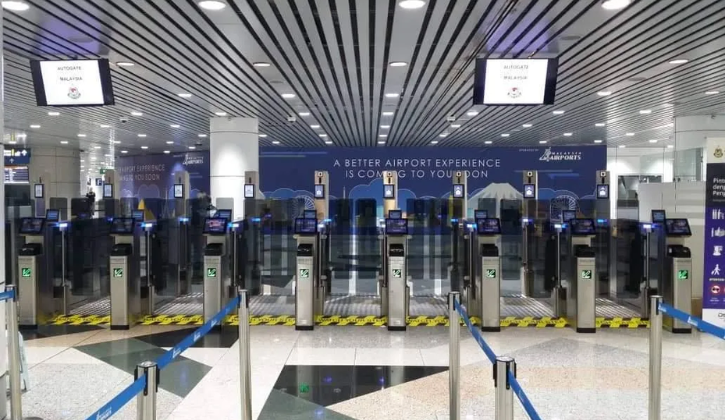
Holiday Tours: Guiding businesses through digital immigration
As immigration processes become digital, corporate travel requires more than just flight bookings. At Holiday Tours, we help organisations stay informed, compliant and prepared by providing:
- Advice on E‑Arrival card and E‑Visa requirements before departure
- Alignment on travel plans with visa validity and multi-city itineraries
- Updates on policy changes or system requirements
- Comprehensive corporate travel management that integrates flights, accommodation, and digital immigration guidance
By combining technology with expert support, Holiday Tours allows companies to manage corporate trips confidently and efficiently.
Streamline corporate travel with Holiday Tours
Digital immigration offers speed, compliance, and predictability for corporate travel. Knowing the differences between E‑Arrival cards and E‑Visas is essential to avoid delays and ensure smooth trips.
Organisations benefit from seamless travel management that integrates bookings with digital immigration support, ensuring employees travel prepared, compliant, and focused on business outcome.
LOOKING TO PLAN YOUR NEXT SUCCESSFUL CORPORATE TRIP?
REACH OUT TO US AT +603 2303 9100 (PRESS 3)OR [email protected]
You may also be interested in: