
Getting a 2027 travel budget approved is only the first step. Once the number is signed off, finance and travel teams still need to keep actual spending aligned with it while airfares, hotel rates, travel volumes and foreign exchange (FX) rates continue to move.
 The challenge is no longer deciding what the company should spend. It is identifying where the approved budget could start to drift and addressing those changes before they become a year-end problem. If you are still building the budget, start with our guide to building a defensible 2027 corporate travel budget.
In our work with corporate clients, we see budgets stay on track when four things are in place: an FX monitoring process, regular travel cost reviews, a clear exception process, and consolidated data. This article covers each.
Watch FX before it becomes a variance
For companies paying for international travel, currency movements can quietly increase the MYR cost of trips that appeared affordable when the budget was approved.
Malaysia operates a flexible exchange rate regime, with the ringgit influenced by domestic and global economic conditions. Bank Negara Malaysia explains that fluctuations in the ringgit should be expected, making FX an ongoing consideration rather than a one-time budgeting assumption.
The finance and travel teams should agree in advance how FX exposure will be monitored:
- Identify the currencies that matter most to your travel mix.
- Set a trigger for flagging to finance, such as a movement of [x]% against the budget rate.
- Depending on your treasury policy, consider rate-locking, hedging or multi-currency payment solutions.
The aim is a process that flags material movement to finance early. Through our partnership with BCD Travel, we support clients travelling across multiple markets and currencies.
Monitor cost drift across airfare and hotels
FX is not the only source of budget pressure. The GBTA and ALTOUR 2027 Global Business Travel Forecast (July 2026) projects global airfare to rise 1.5% in 2027 and hotel average daily rates to rise 1.8%. Those figures follow forecast increases of 4.7% and 3.7% in 2026, so 2027 is a moderation on an already elevated base. The forecast also shows differences by category: 1.1% for economy fares and 2.2% for premium.
For travel managers, this means an approved annual budget should not be treated as static. Monitor actual booking costs against the assumptions used when the budget was approved. If a particular route, destination or travel period is consistently costing more than expected, the variance can be identified while there is still time to adjust booking behaviour or supplier strategy. Holiday Tours’ reporting flags routes and destinations running above the approved assumptions.
Manage unbudgeted travel without losing control
An approved budget does not mean every trip during the year was known in advance. New client meetings, project requirements, urgent site visits, and unexpected business opportunities can all create additional travel.
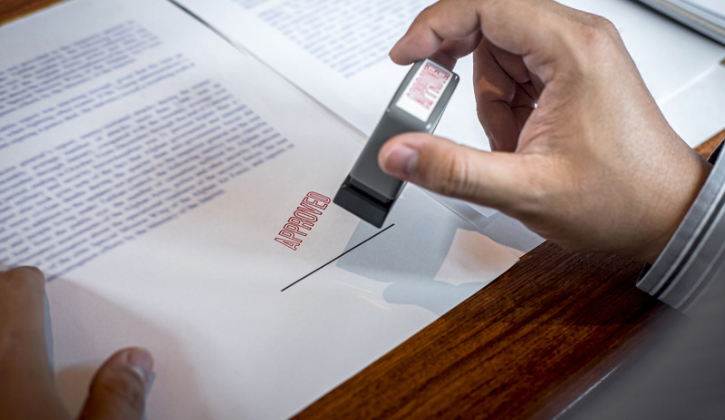 The response should not automatically be to reject the trip or absorb the cost without review. Set a clear exception process that covers:
- who approves additional travel
- which cost centre absorbs it
- when finance is notified
This keeps necessary travel moving while keeping the overall budget accountable. Exceptions logged in the same reporting view as planned travel are easier to track and review.
Treat traveller support as part of the budget protection
Disruptions can create additional costs when they are handled reactively.
A cancelled flight, sudden itinerary change or destination disruption can mean rebooking, alternative accommodation or urgent assistance. Handled reactively, these costs end up scattered and hard to track.
When disruptions are managed through a central support channel, additional costs remain visible and easier to track. This strengthens budget oversight while supporting duty-of-care responsibilities.
Use consolidated data as an early-warning system
By the time an annual travel budget shows a significant overspend, the underlying causes may have been building for months. Regular reporting gives an earlier view of:
- travel volume
- average booking cost
- destinations
- policy exceptions
- supplier spend
For organisations travelling across multiple countries, consolidated and market-level reporting is particularly useful because it allows finance and procurement teams to see where exposure is developing rather than reviewing markets in isolation.
FAQs
- Why can an approved travel budget still change during the year?
Airfare, hotel rates, FX movements, travel volumes and unplanned business requirements can all cause actual spending to differ from the original forecast.
- How can companies manage FX exposure after the budget is approved?
Companies can establish an FX monitoring process and, subject to their treasury policies, consider tools such as rate-locking or hedging to manage relevant exposure.
- What should companies do when unbudgeted travel is required?
Use a defined exception process covering approval, funding and finance notification, so necessary travel does not undermine overall budget control.
- Why is consolidated travel reporting important?
It allows finance and travel teams to identify changes in spending patterns, booking behaviour and emerging cost pressures before they affect the overall budget.
- Can traveller support help protect the travel budget?
Yes. Prompt assistance with disruptions and itinerary changes can help companies manage unexpected travel costs while maintaining visibility and duty of care.

Holiday Tours: Keeping the approved budget on track
Once a travel budget is approved, ongoing visibility becomes just as important as the original forecast.
At Holiday Tours, we can help teams monitor travel activity against the approved programme, giving finance and travel managers greater visibility over changes in fares, hotel costs, travel volumes and FX exposure.
Consolidated reporting across markets can also help identify where spending is beginning to move away from the original assumptions, allowing teams to review the cause and adjust before a variance becomes difficult to manage.
Our role is to provide travel data and ongoing oversight that help keep an approved 2027 budget aligned with actual business travel throughout the year.
KEEP YOUR 2027 TRAVEL BUDGET ON TRACK WITH HOLIDAY TOURS. REACH OUT TO US AT +603 2303 9100 (PRESS 3) OR [email protected]
You may also be interested in: